
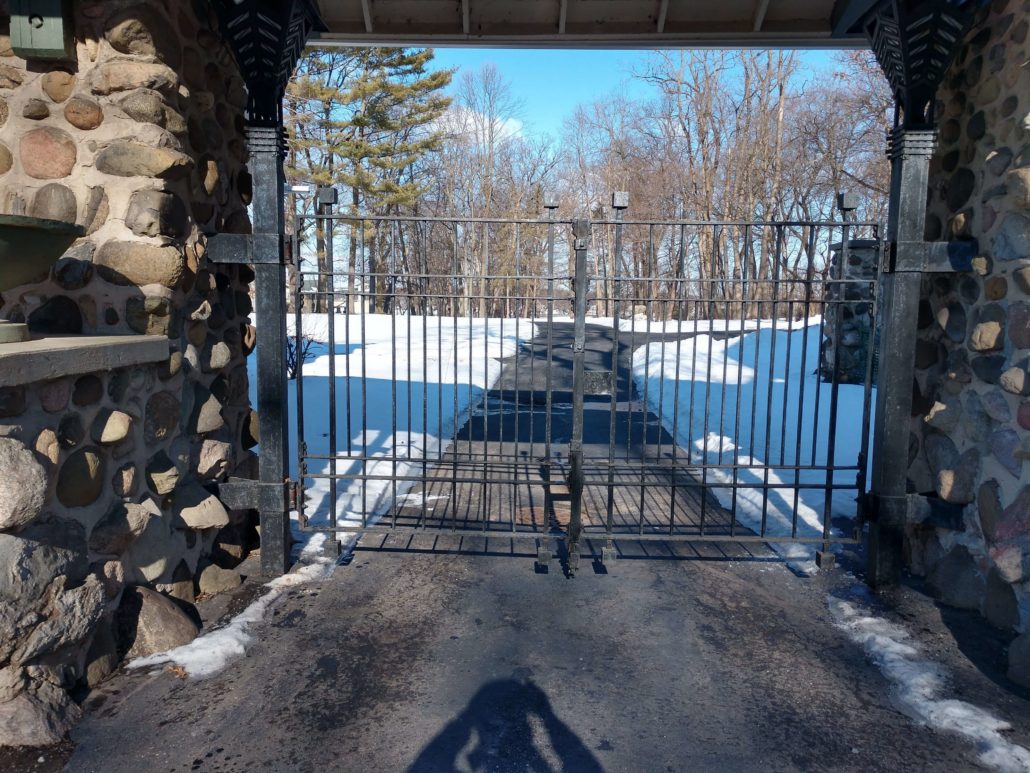
Metal Fence Fabrication For Commercial Properties: What Business Owners Should Know
For commercial and industrial properties in Milwaukee, metal fencing plays a bigger role than many people realize. Metal fence fabrication impacts site security, traffic control, code compliance, and long-term maintenance costs. At RC Portable Welding & Fabrication, we work with facility managers, contractors, and property owners who need fencing systems that hold up to daily use, harsh weather, and evolving operational demands across the Milwaukee area.
What Is Metal Fence Fabrication And How Does It Differ From Pre-Made Fencing?
Metal fence fabrication involves building fencing systems from raw steel or aluminum rather than installing off-the-shelf panels. This matters for commercial properties where layouts, elevations, and access points rarely match standard sizes.
Fabricated fencing allows for custom heights, reinforced posts, integrated gates, and site-specific layouts. Loading docks, utility yards, equipment enclosures, and restricted access zones often require fencing that fits around existing structures or uneven surfaces. Custom fabrication makes those adjustments possible without forcing compromises that can create weak points or access issues later.
Why Do Commercial Properties Choose Custom Metal Fence Fabrication?
Many business owners start with pre-made fencing because it appears faster. Over time, fabricated fencing often proves more reliable. Custom-built metal fencing accounts for traffic patterns, equipment movement, and security requirements from day one.
In industrial environments, fencing must handle forklift traffic, snow removal equipment, and frequent gate operation. Welded connections, heavier gauge materials, and reinforced mounting points reduce the risk of shifting, sagging, or failure. This is especially important for properties that operate year-round in southeastern Wisconsin, where freeze-thaw cycles can stress lighter systems.
How Does Metal Fence Fabrication Improve Security And Access Control?
Security is one of the main drivers behind metal fence fabrication for commercial properties. Fabricated fencing can be designed to control sightlines, restrict climbing points, and integrate with access systems
Custom metal gate welding allows gates to align with vehicle sizes, delivery schedules, and access protocols. Sliding gates, swing gates, and automated gate frames can be fabricated to support card access, keypads, or future automation upgrades. This level of planning helps reduce unauthorized access while keeping daily operations moving.
What Materials Are Commonly Used In Commercial Metal Fence Fabrication?
Steel remains the most common material for commercial fencing due to its strength and longevity. Aluminum may be used in areas where weight or corrosion resistance is a priority. The right material depends on how the fence will be used.
High-traffic areas benefit from thicker wall tubing and reinforced posts. Outdoor installations may require coatings or finishes that resist rust and surface wear. Fabrication allows these choices to be made at the start rather than reacting to premature wear or damage.
How Does Fabrication Support Long-Term Durability And Maintenance?
One advantage of fabricated fencing is control over every weld, cut, and connection. This reduces failure points that often appear in modular fencing systems. Welded joints provide stability under load and movement, which is critical near loading docks, rooftops, and secured walkways.
Maintenance managers often prefer fabricated systems because repairs can be handled locally. Individual sections or gates can be modified or reinforced without replacing entire runs of fencing. This flexibility supports long-term facility planning and budget control.
What Should Business Owners Look For In A Metal Fence Fabrication Partner?
Commercial metal fence fabrication requires more than basic welding. A fabrication partner should understand how fencing interacts with daily operations, safety standards, and future site changes.
Experience with guardrails, bollards, stair systems, and access structures often translates well to fencing projects. These elements share similar load requirements and exposure conditions. A fabrication shop that works across these systems can anticipate stress points and build accordingly.
Local knowledge also matters. Milwaukee-area properties face snow loads, road salt exposure, and seasonal temperature swings that affect metal performance. Fabrication decisions should reflect those conditions from the start.
How Does Custom Metal Gate Welding Fit Into Fence Fabrication Projects?
Gates are often the most used part of a fencing system. Poorly built gates can sag, bind, or fail under frequent use. Custom metal gate welding allows gates to be sized, reinforced, and mounted based on actual usage rather than assumptions.
For commercial properties, this often includes wider truck openings, reinforced hinges, and frames built to support automation. When gates are fabricated alongside fencing, alignment and performance improve across the entire system.
Planning Metal Fence Fabrication For Commercial Properties In Milwaukee
Metal fence fabrication works best when planned early, but it can also be integrated into existing facilities. Site evaluations help identify access needs, security goals, and structural considerations before fabrication begins.
At RC Portable Welding & Fabrication, we build fencing systems with real-world use in mind, from industrial yards to commercial campuses across Milwaukee. If you are evaluating metal fence fabrication for a commercial property in Milwaukee, contact our team to discuss custom fencing and metal gate solutions built for long-term performance.

Leave a Reply
Want to join the discussion?Feel free to contribute!